
Everything I Notice
Essays on relationships, safety, nervous-system regulation, motherhood, trauma, identity, creativity, rebuilding, and the things I am learning as I move forward.
These pieces are personal, reflective, and written from lived experience. Some look backward. Others document what I am understanding now.
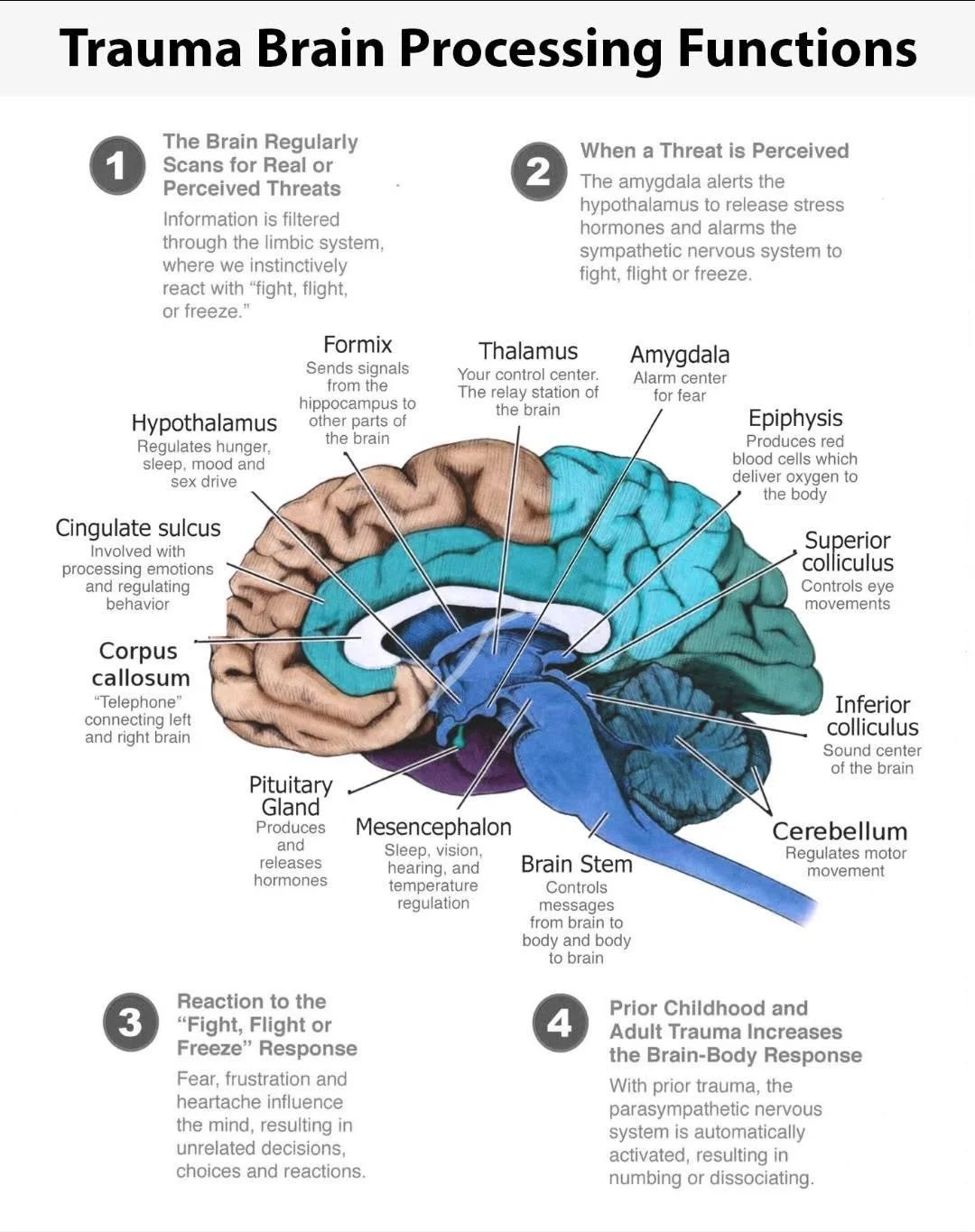
What Happens After a Narcissistic or Psychologically Abusive Relationship
Leaving is not always the end. Psychological abuse can remain in the body, memory, habits, self-trust, and nervous system long after the relationship ends. Recovery is the slow process of becoming visible to yourself again.
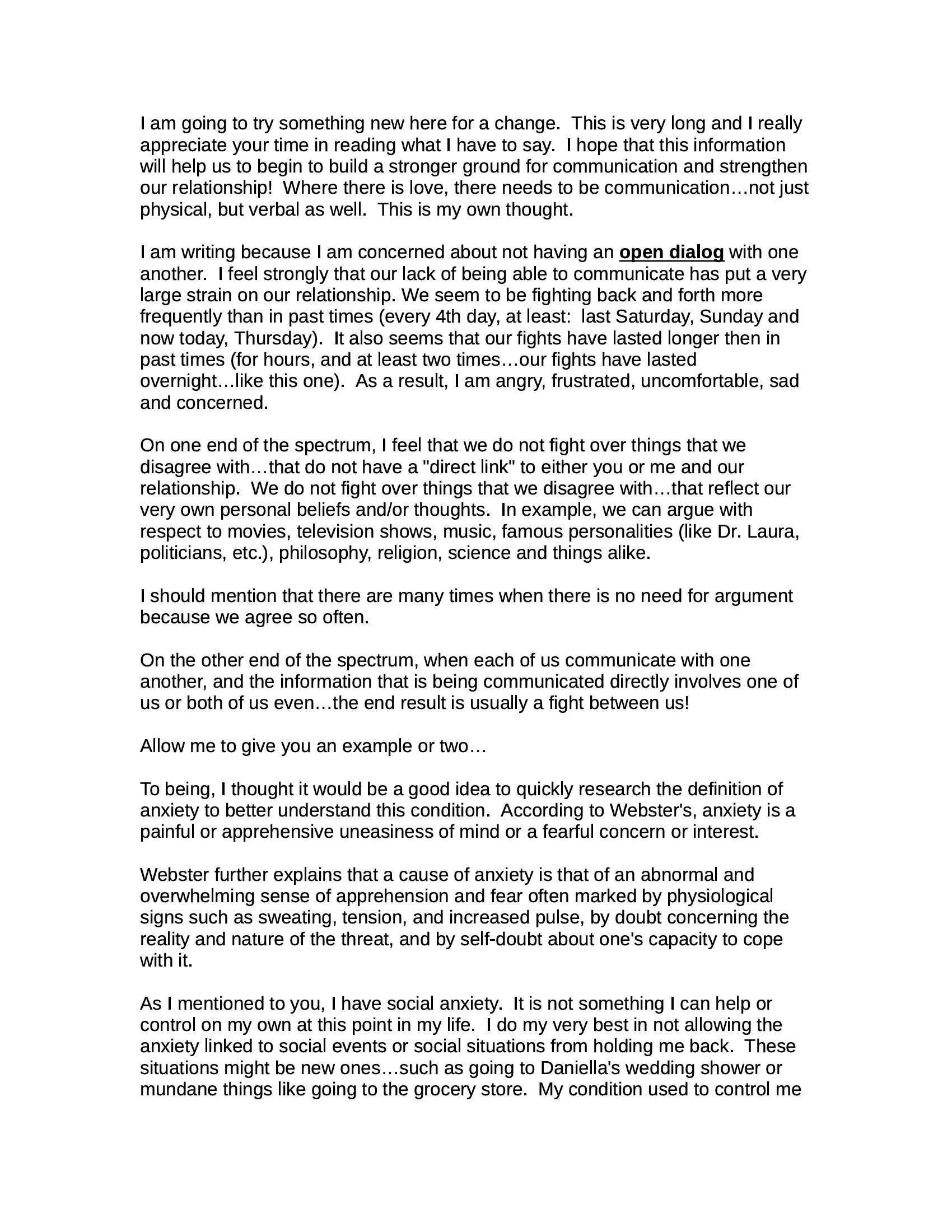
Before Separation: Secrecy, Betrayal, and Psychological Control
The documentary record began long before separation. Emails, letters, and messages from 2008 through 2018 preserve repeated requests for counseling, disclosures of fear, and a pattern of secrecy, blame shifting, and psychological control.
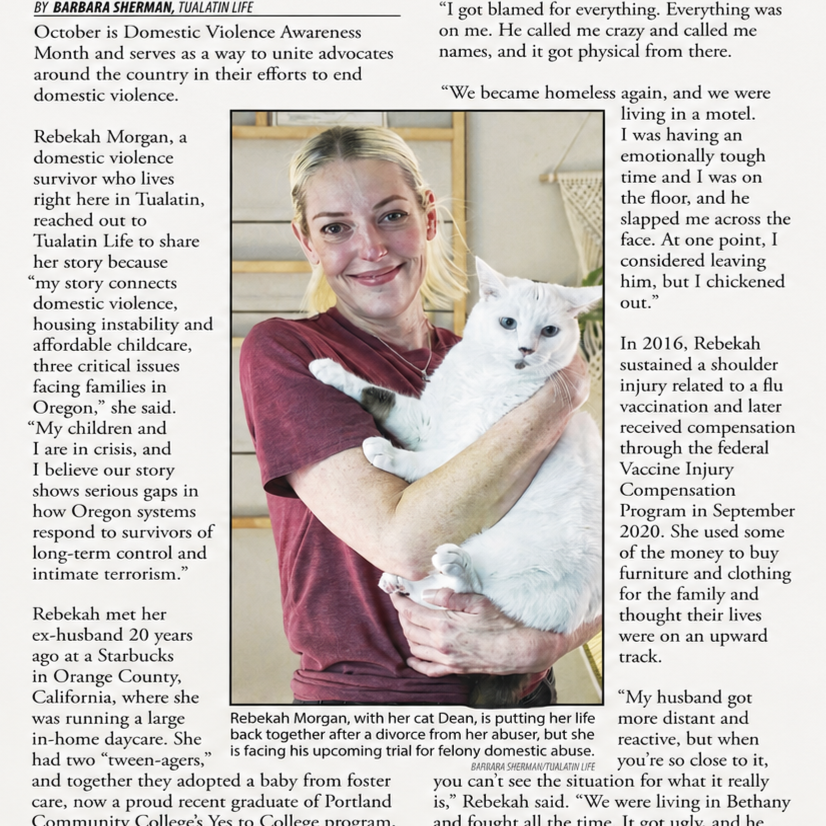
From Secrecy to Systems: The Pattern of Coercive Control
This series traces a documented pattern of sexual deception, psychological control, isolation, economic instability, violence, and institutional leverage across more than twenty years. The pattern did not begin at separation. Separation exposed it.
Abuse Tried to Erase Me. It Failed.
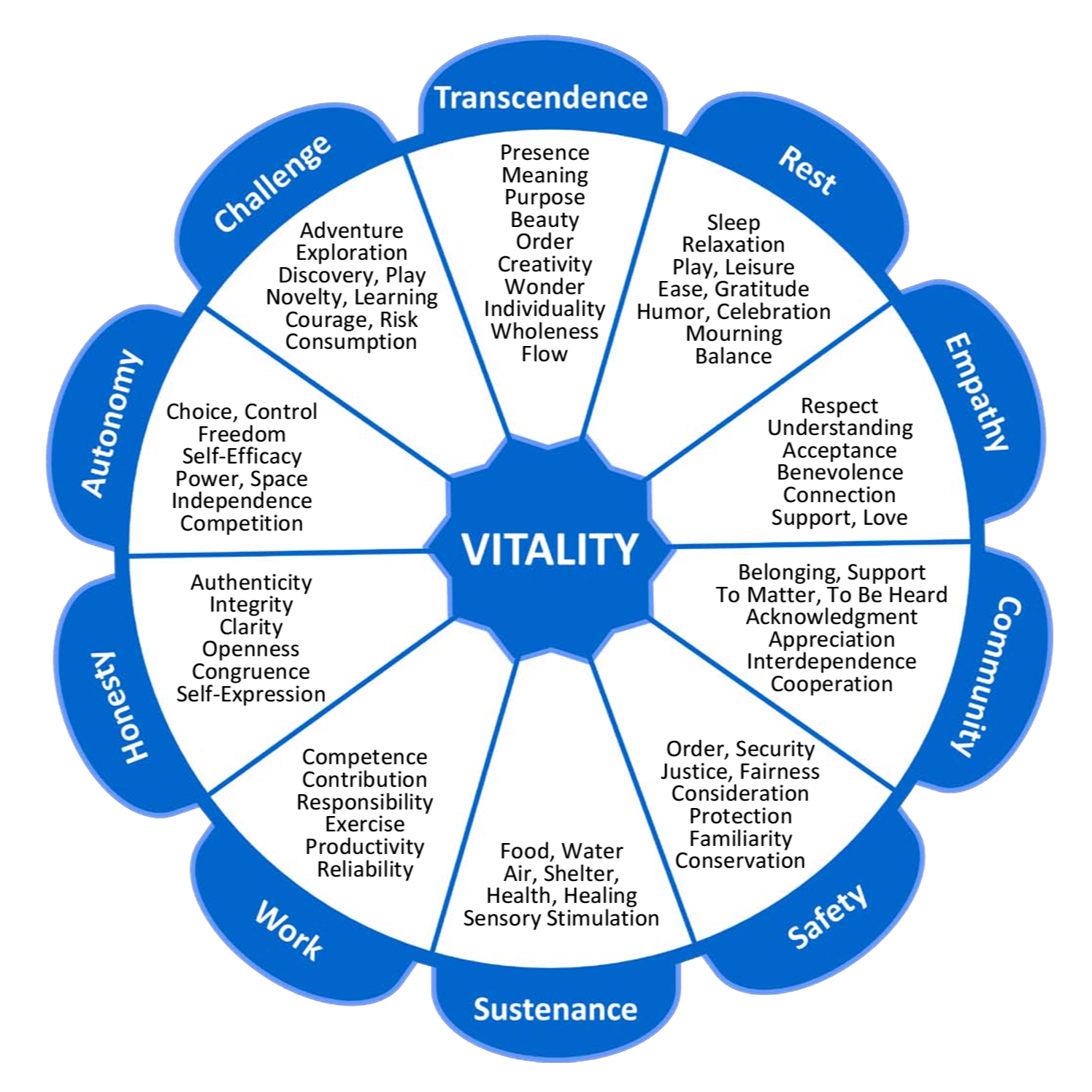
On October 2, 2025, a simple Wheel of Needs changed how I understood years of coercive control. Looking at basic human needs including safety, honesty, empathy, rest, autonomy, and community, I recognized how thoroughly those needs had been undermined. This essay examines the effects of prolonged relational trauma on my nervous system, functioning, and sense of self, and why safety is foundational to recovery.
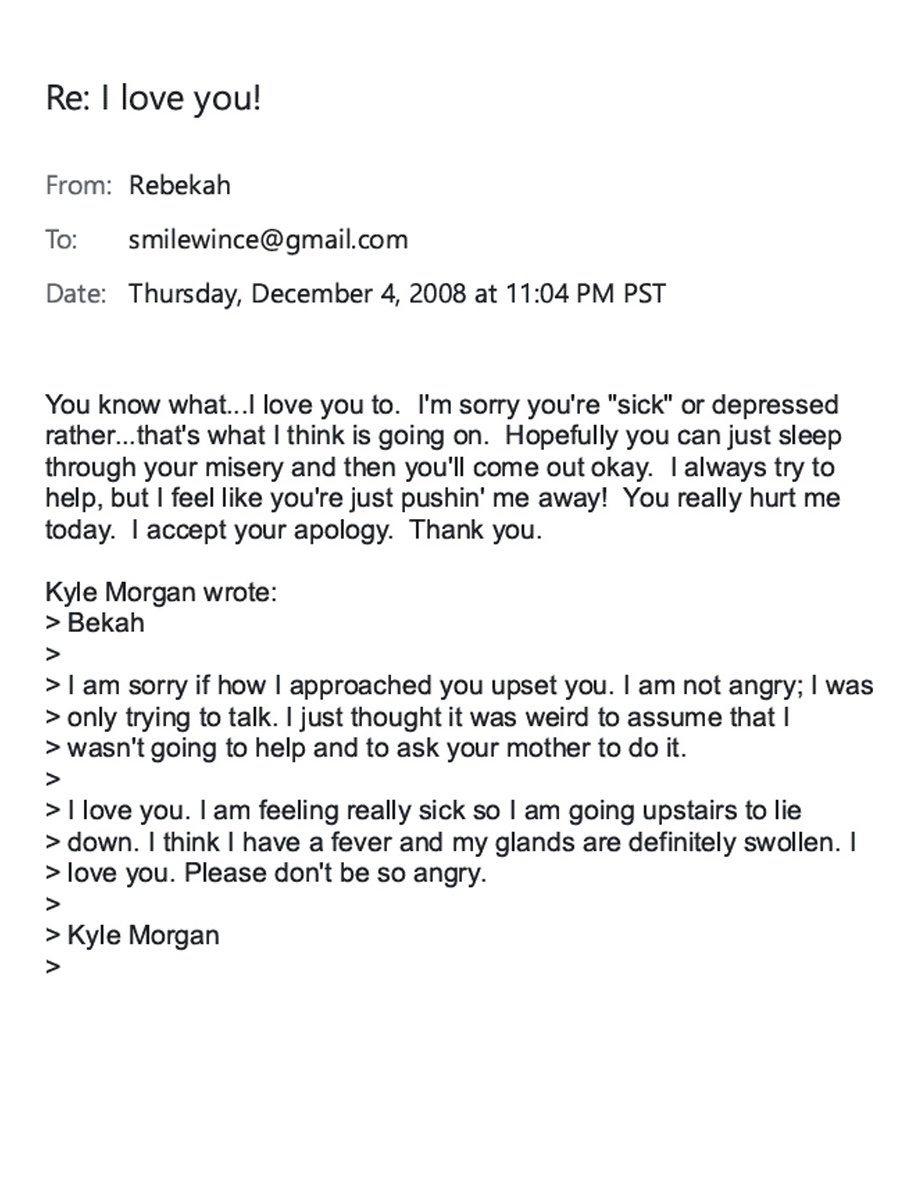
I Have the Emails
Contemporaneous emails and letters from 2008, 2009, and 2018 document hurt, self-questioning, chronic blame, betrayal, and emotional depletion years before the marriage ended. Together, they preserve a first-person record of my repeated efforts to be heard, repair the relationship, and understand what was happening while I was still living inside it.
The Confession Hidden in Plain Sight
A July 12, 2018 email exchange, written more than six years before I left the marriage, documents betrayal, chronic blame, emotional depletion, and the gradual erosion of my sense of self. Later that evening, Kyle acknowledged, “I know that I’ve hurt you” and “I haven’t been good to you,” while asking me to stay.

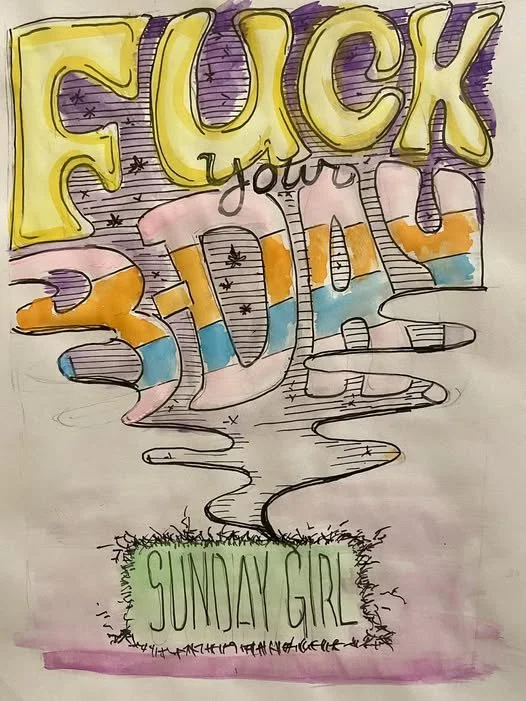
Hostile Humor as Contempt, Withholding, and Identity Branding
A birthday artifact created by Kyle Morgan, publicly known as Old Sick Dead, pairing playful visual design with language I experienced as contemptuous and withholding. This analysis examines humor, provocation, care, and the ways another person’s mood can become imposed upon someone else’s identity.

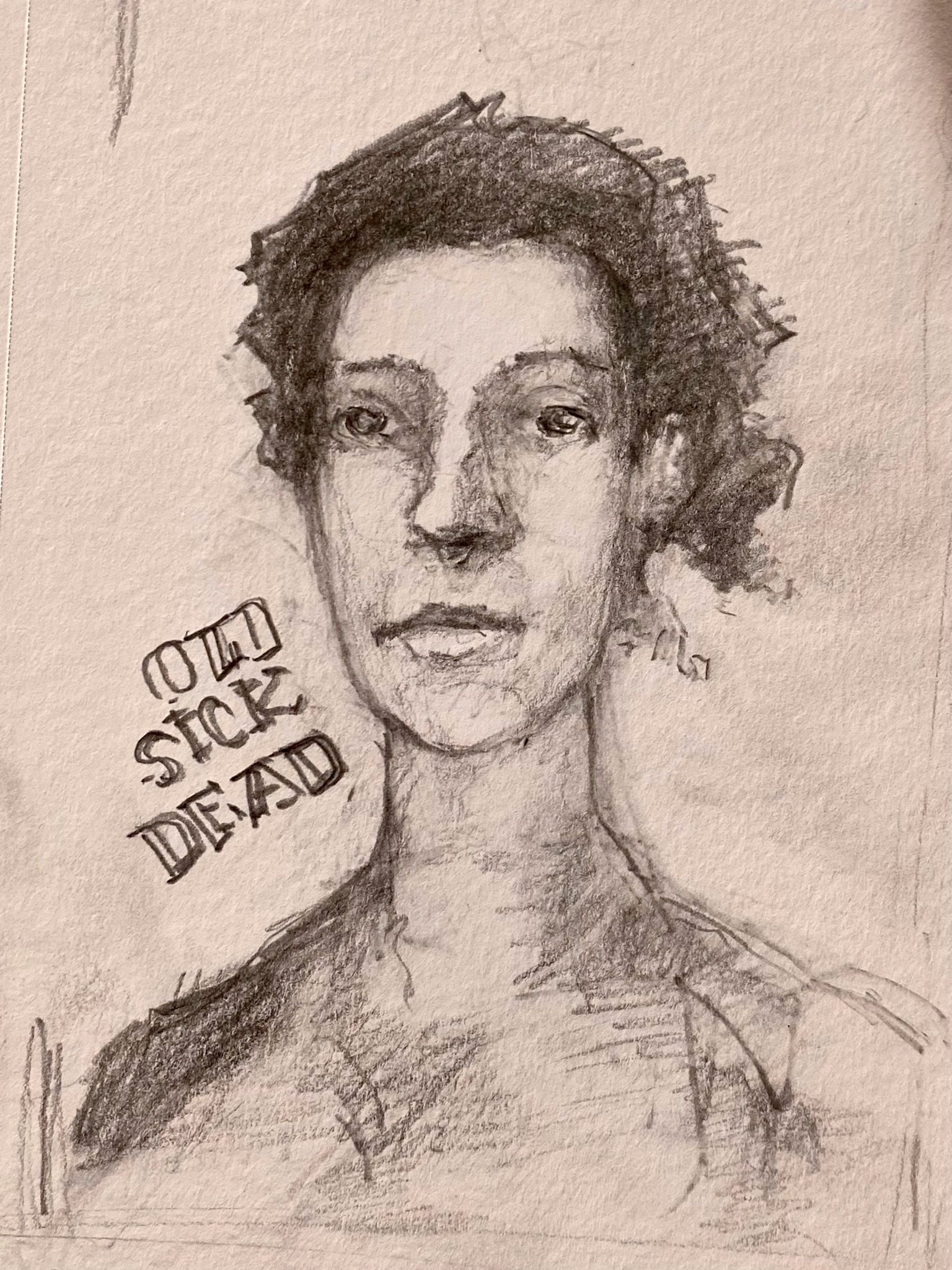
Curated Persona, Private Record
Two portraits by the same artist, one rendered more softly and the other more starkly, become the starting point for an examination of public persona, private context, and lived impact. I consider how Old Sick Dead was curated and circulated publicly alongside a private record that tells a more complicated story.

Second Arrow in Ink
An Old Sick Dead artwork reading “What Second Arrow?” was later tattooed on another person, demonstrating how far the image and spiritual persona had traveled beyond its original context. This essay examines what that circulation meant to me when viewed alongside the private history surrounding the work.

Non-Harm Includes Accountability
Non-harm does not require silence. After prolonged distortion, recovery can require clarity, boundaries, documentation, and the ability to name what happened. This essay examines accountability, truth-telling, and the difference between letting go and allowing a public narrative to erase the private record.